



- Concord Campus - (925) 687-9555
- Fresno Campus - (559) 222-1903
- Modesto Campus - (209) 521-1821
- Sacramento Campus - (916) 588-2060
- San Jose Campus - (408) 384-7050
- Van Nuys Campus - (747) 200-4567
 24 Months Training*
 Associate Degree (A.S.)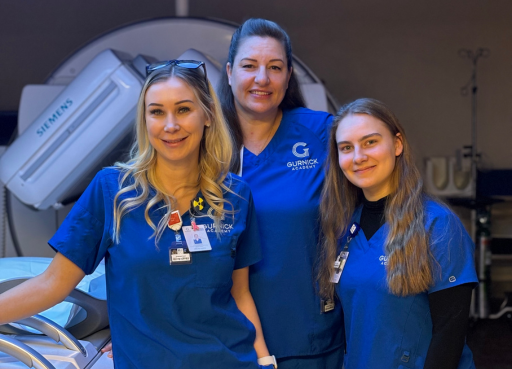

-
 Accredited by JRCNMT
-
 Didactic Courses Administered Online
-
 Clinical Externships Provided
-
 Job Placement Assistance
*96 Approved Instructional Weeks

I am delighted to warmly welcome you as you explore the fascinating world of nuclear medicine. At Gurnick Academy of Medical Arts, we take pride in offering a transformative educational experience that explores the cutting-edge intersection of medicine, technology, and patient care.
Nuclear medicine is not just a field; it’s a journey of discovery and innovation. As the Program Director, I am excited to share the unparalleled potential of nuclear medicine to revolutionize healthcare diagnostics and treatment.
With a unique blend of molecular imaging and therapeutic applications, nuclear medicine enables us to visualize the intricacies of the human body at the cellular level, providing previously unimaginable insights.
Gurnick Academy of Medical Arts aims to offer high-quality allied health and nursing programs that integrate professional skills, career-focused education, and hands-on practical experience, empowering students to develop and achieve their personal and career goals.
The mission of the nuclear medicine technology program is to provide the healthcare community with compassionate, competent, and professional nuclear medicine technologists.
The program’s philosophy is to educate students to succeed in the evolving field of Nuclear Medicine. Our students will demonstrate the highest standards of excellence, integrity, didactic commitment, and clinical competency. Students will graduate with a diverse background of clinical exposure and exemplify compassionate and professional patient care.
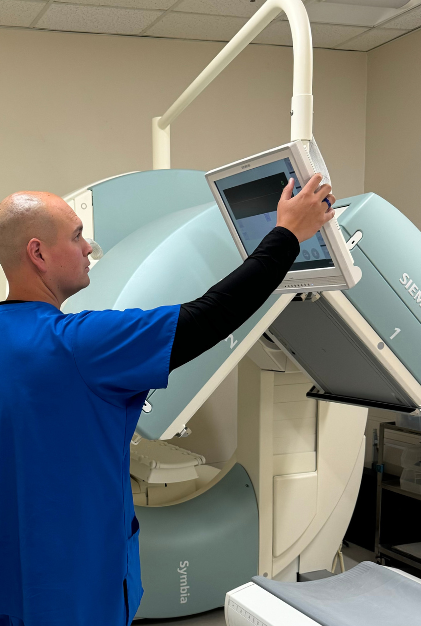
The Associate of Science in Nuclear Medicine Technology is a 24-month program that prepares students with essential general education classes, a core nuclear medicine curriculum, and real-life experience at clinical sites. The program begins with basic nuclear medicine principles and builds on that knowledge to bring the student to the level needed to pass the national credentialing exam.
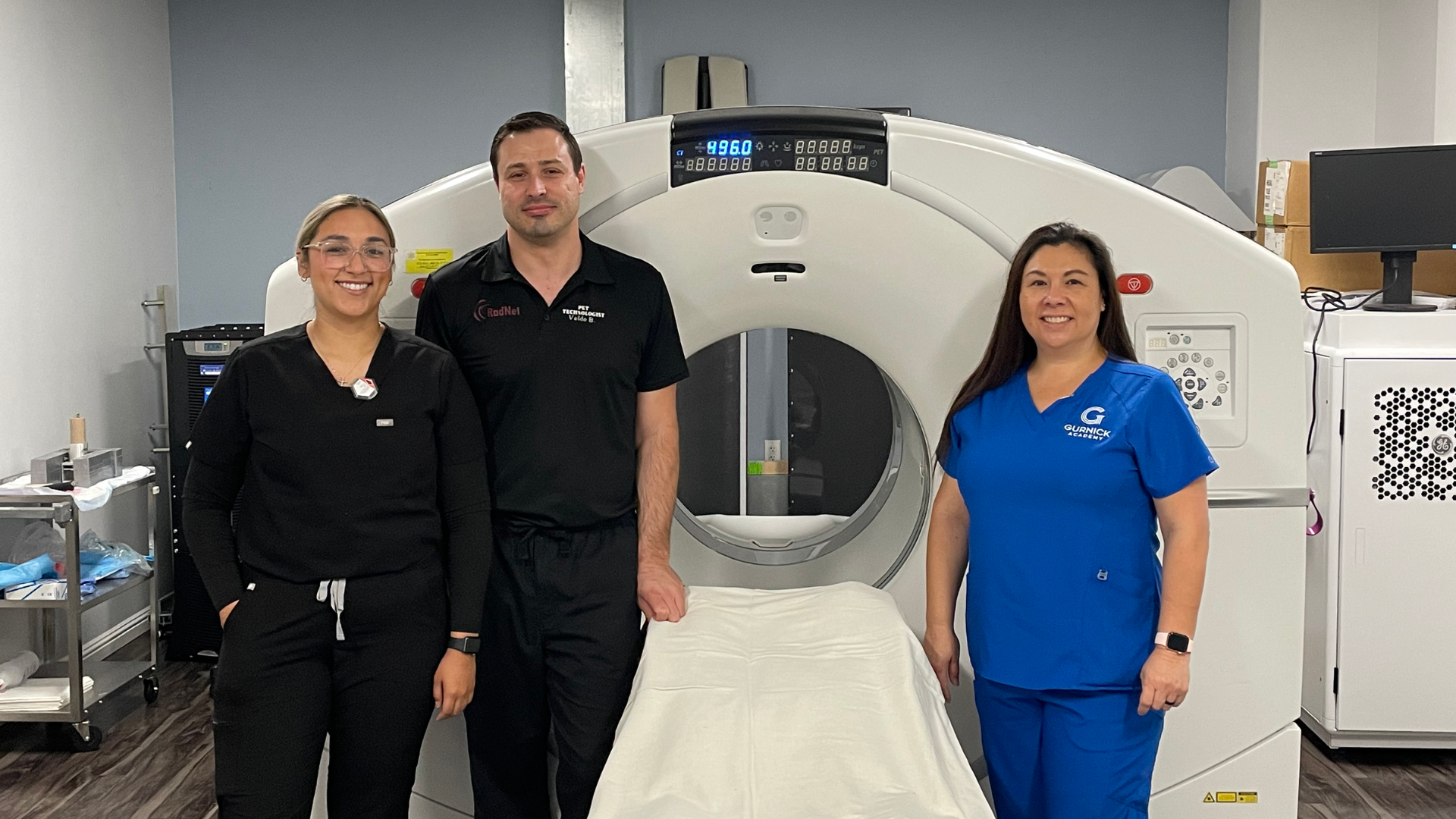
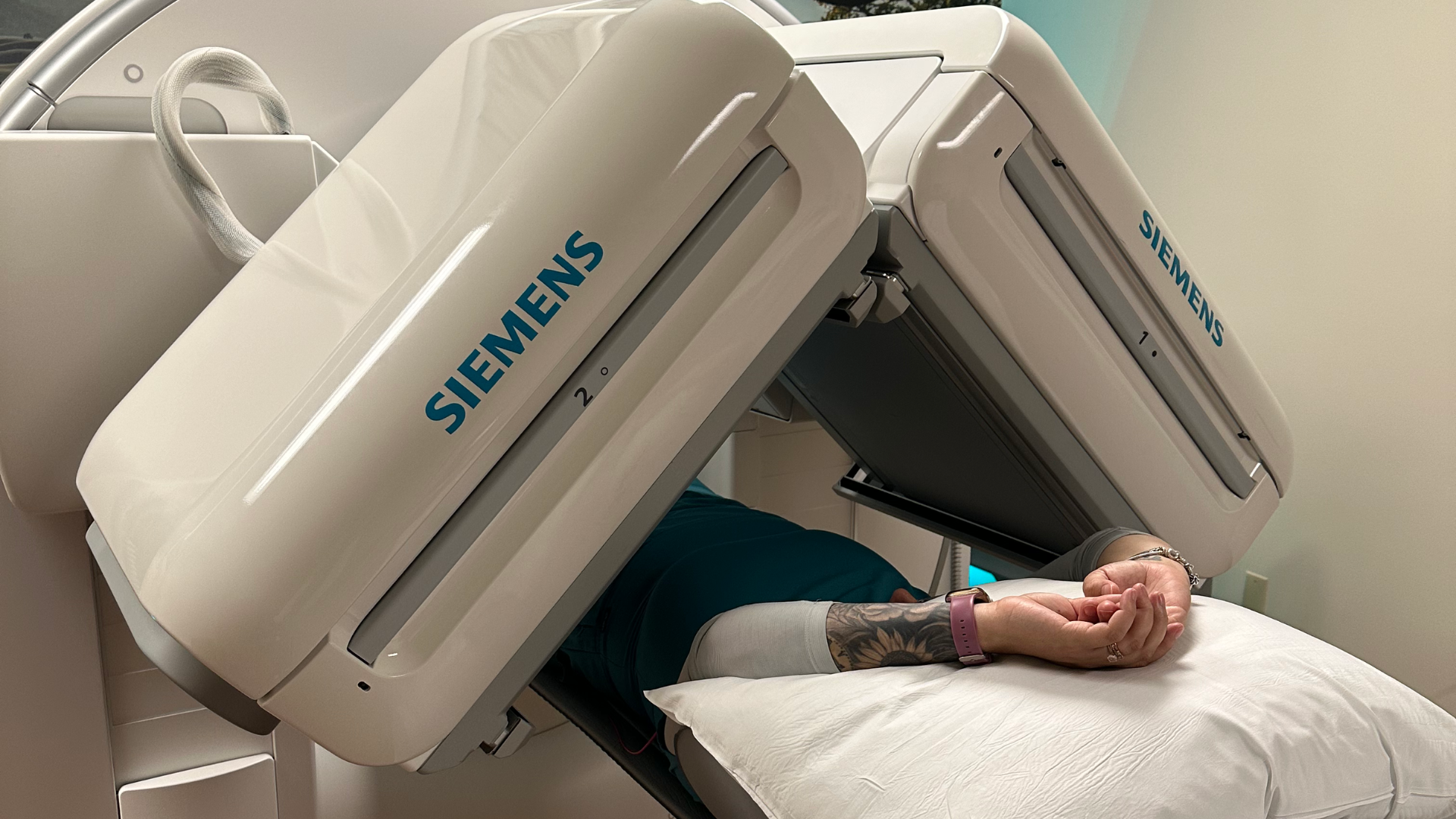
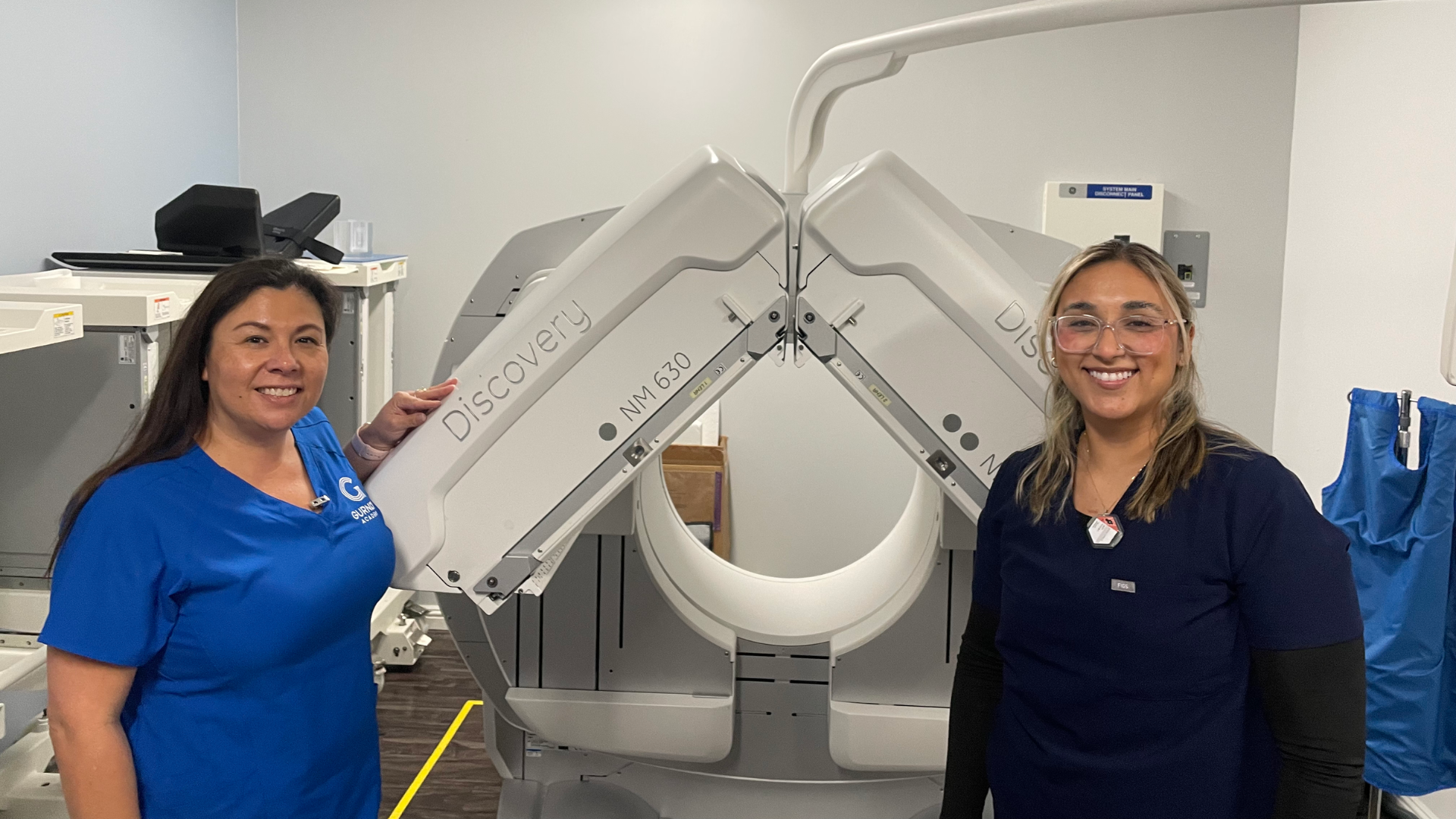
The curriculum includes diagnostic and therapeutic nuclear medicine procedures, radiopharmaceutical preparation and administration, as well as imaging equipment quality control procedures. The program also includes courses on emerging hybrid imaging technologies, including positron emission tomography (PET), computed tomography (CT), and magnetic resonance imaging (MRI). The program includes online classwork, live online lectures, and clinical experiences.
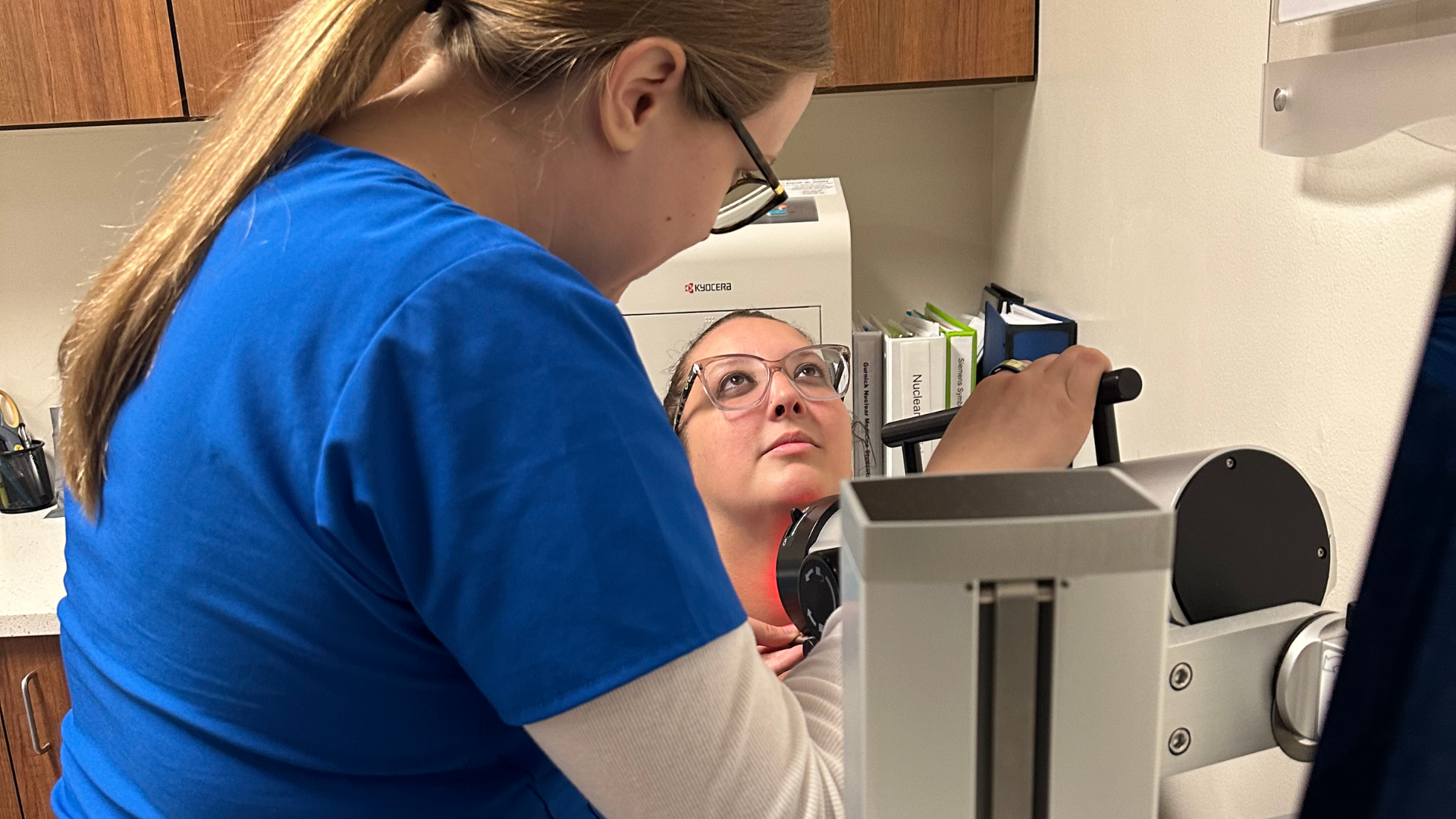
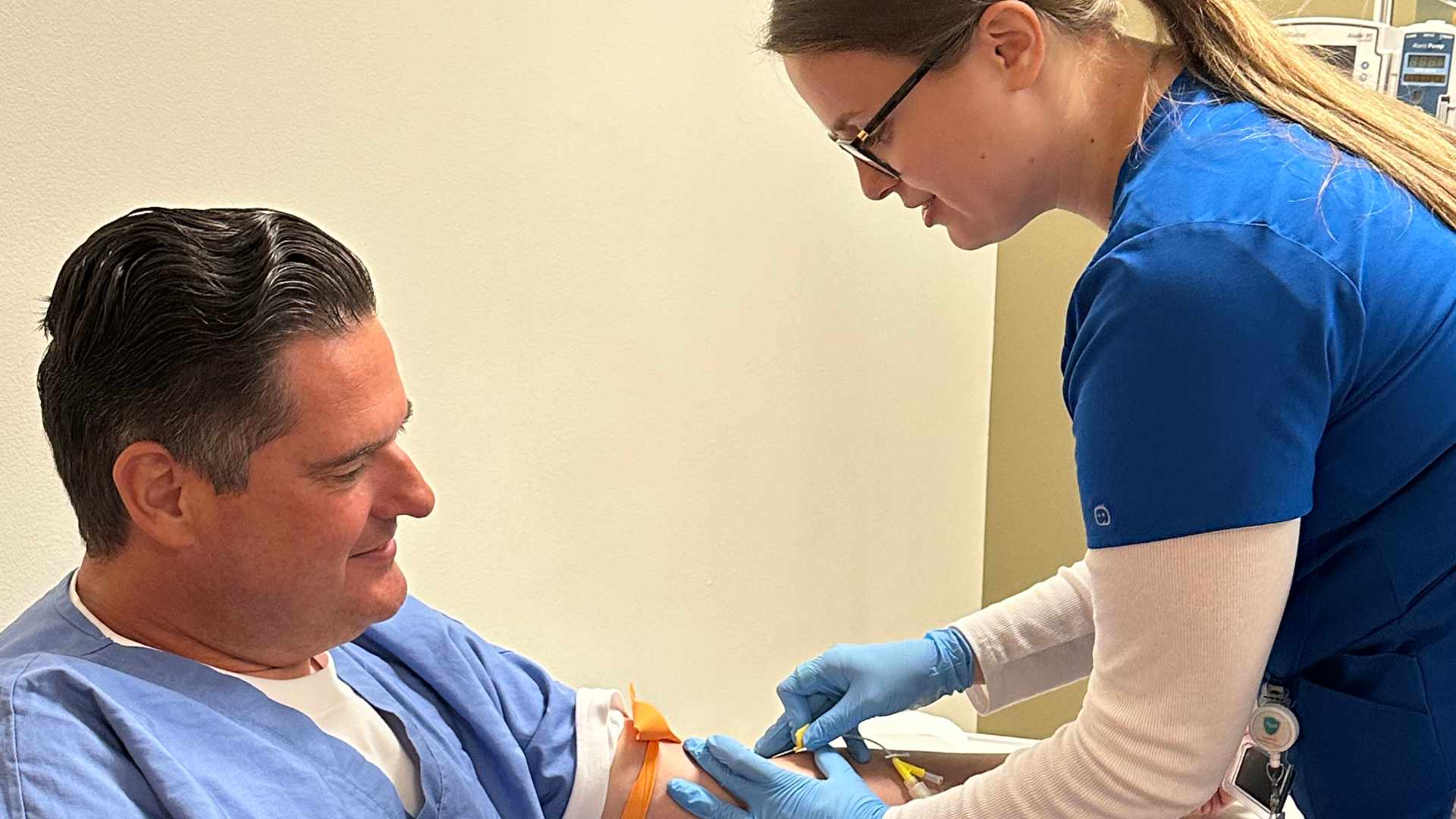
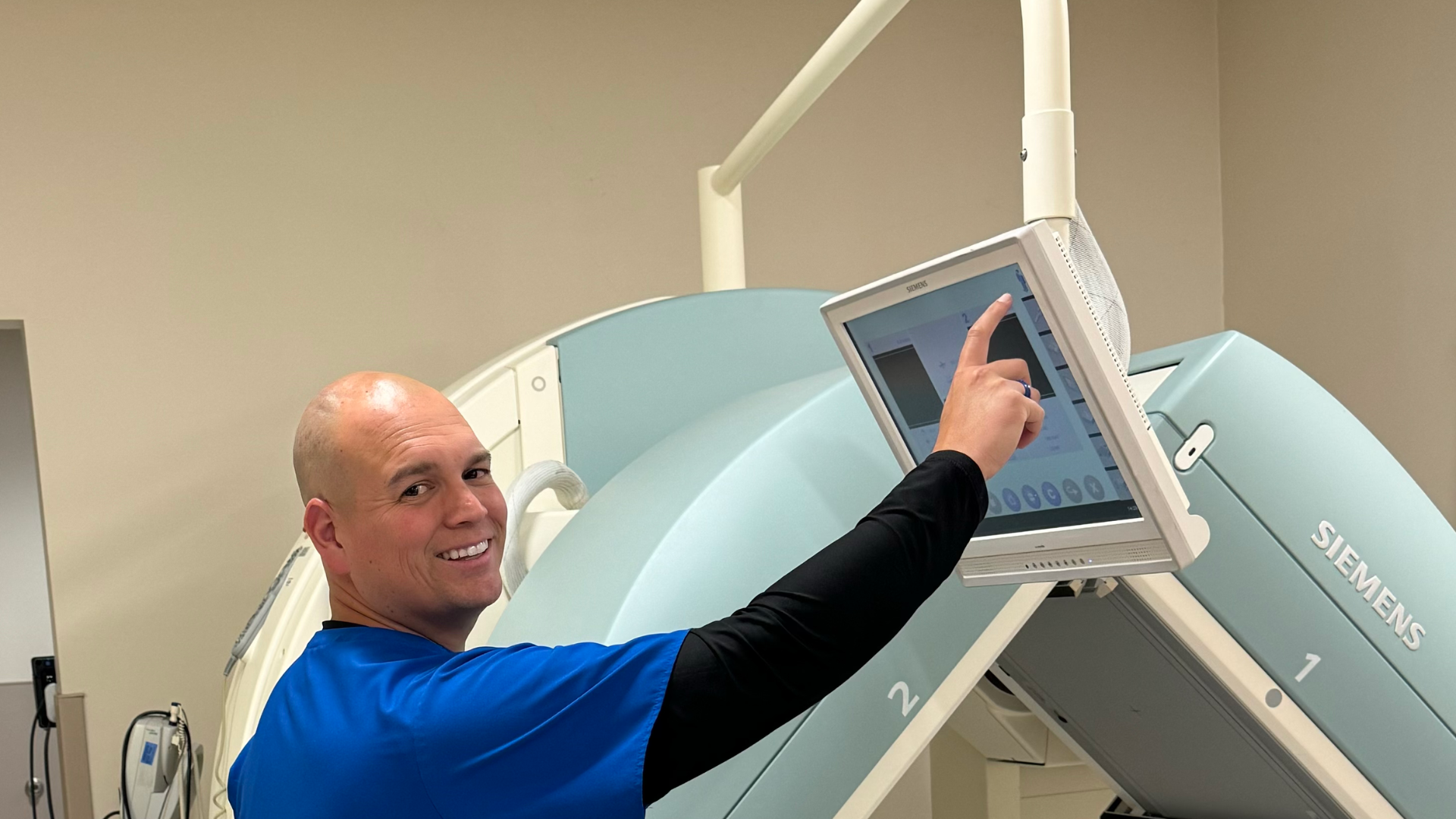
In their clinical experiences, the students will be under the direct supervision of a nuclear medicine technologist. They will learn the administration and preparation of radiopharmaceuticals for diagnostic and therapeutic applications. They will also use specialized imaging equipment to visualize the human body’s pathologic conditions and physiologic processes.
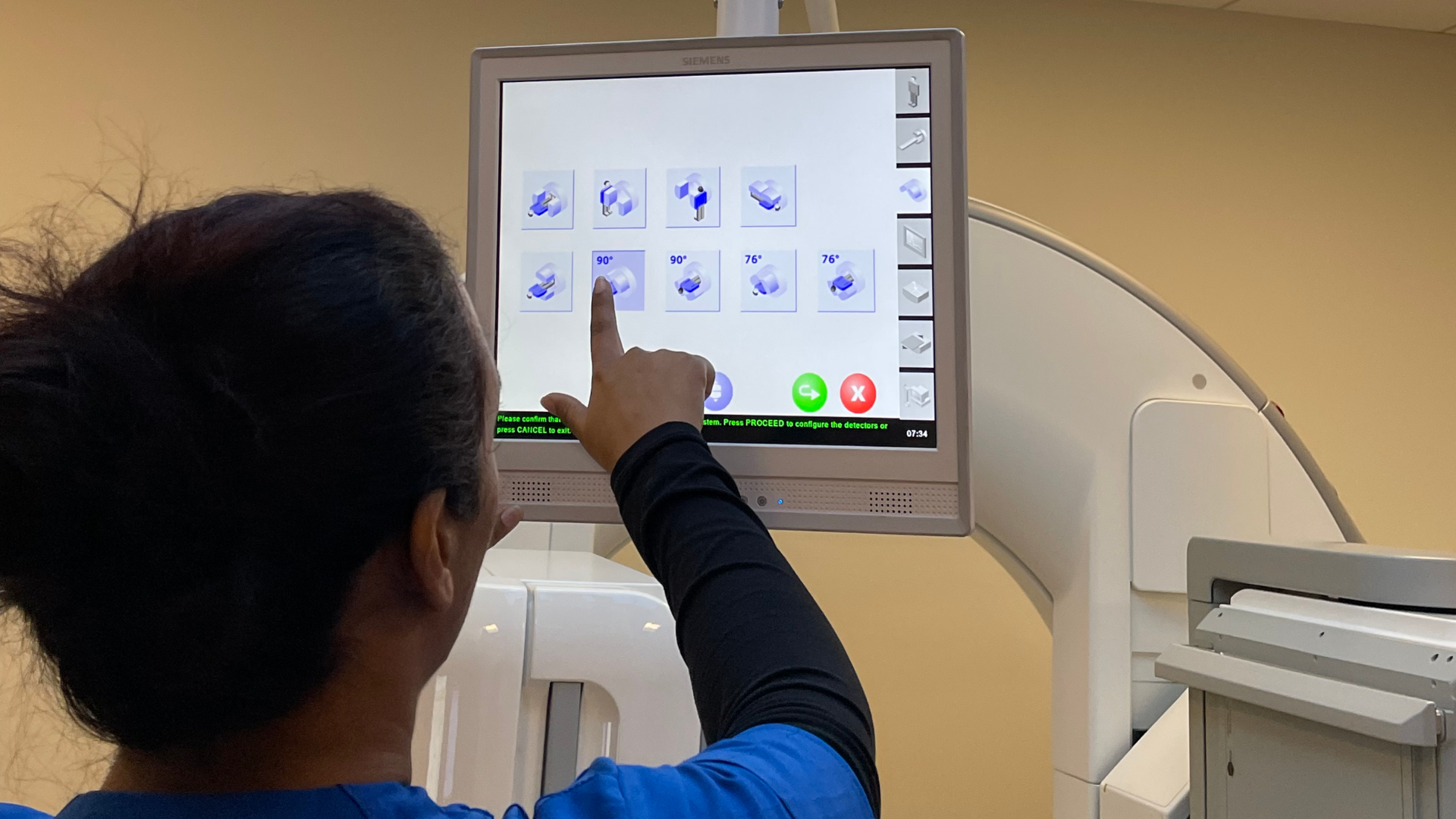
Students will enhance their critical thinking skills to deliver high-quality care consistently. Student rotations may include hospital work, outpatient clinics, imaging centers, research facilities, and mobile imaging trailers.
Upon completion of the program, students are expected to be able to:
- Provide compassionate patient care.
- Perform diagnostic and therapeutic nuclear medicine exams accurately and efficiently.
- Adhere to radiation safety regulations and best practices to ensure a safe working environment.
- Display competency in preparing and handling radiopharmaceuticals used in nuclear medicine technology.
- Perform and analyze quality control procedures for various nuclear medicine imaging equipment types.
- Communicate effectively and professionally, utilizing both verbal and non-verbal communication skills.
- Demonstrate ethical and professional behavior in a healthcare setting.
*96 Approved instruction Weeks
The program information, length, and schedule are subject to change. Please read the accompanying Addendum for important changes and updates. Speak with an admission advisor for details.
The Nuclear Medicine Technology program is an Associate of Science degree program. The student will receive didactic, laboratory, and clinical experience in affiliated medical facilities. The Instructor-to-Student ratio is 1:25 during online lectures and 1:1 during clinical externships.
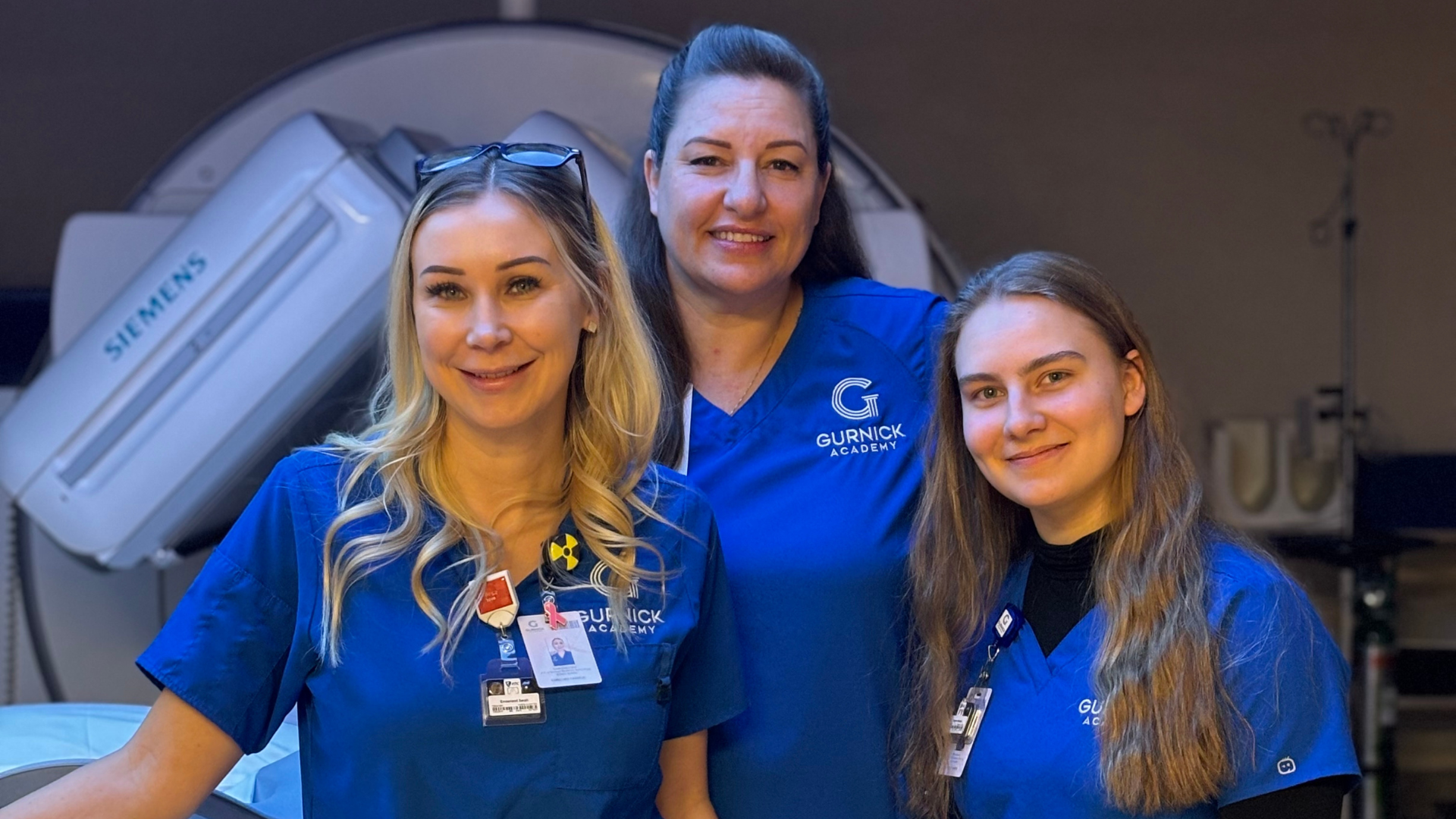
Classes may be scheduled Monday through Sunday. Students will attend no more than 40 hours of instruction per week, which includes didactic sessions, labs, and clinical experiences. Clinical activities may be held on weekdays or weekends, and shifts may include day or evening hours, as required by the clinical site. Didactic courses are held between 8:00 AM and 8:00 PM.
Students receive 1,414 hours of didactic and laboratory instruction, as well as 1,232 hours of clinical education, allowing them to apply lecture topics to practical use.






View a list of clinical affiliate sites for Gurnick Academy’s Nuclear Medicine program. The program determines clinical placement assignments based on students’ admission point rankings, the region to which they applied, and the availability of clinical sites.
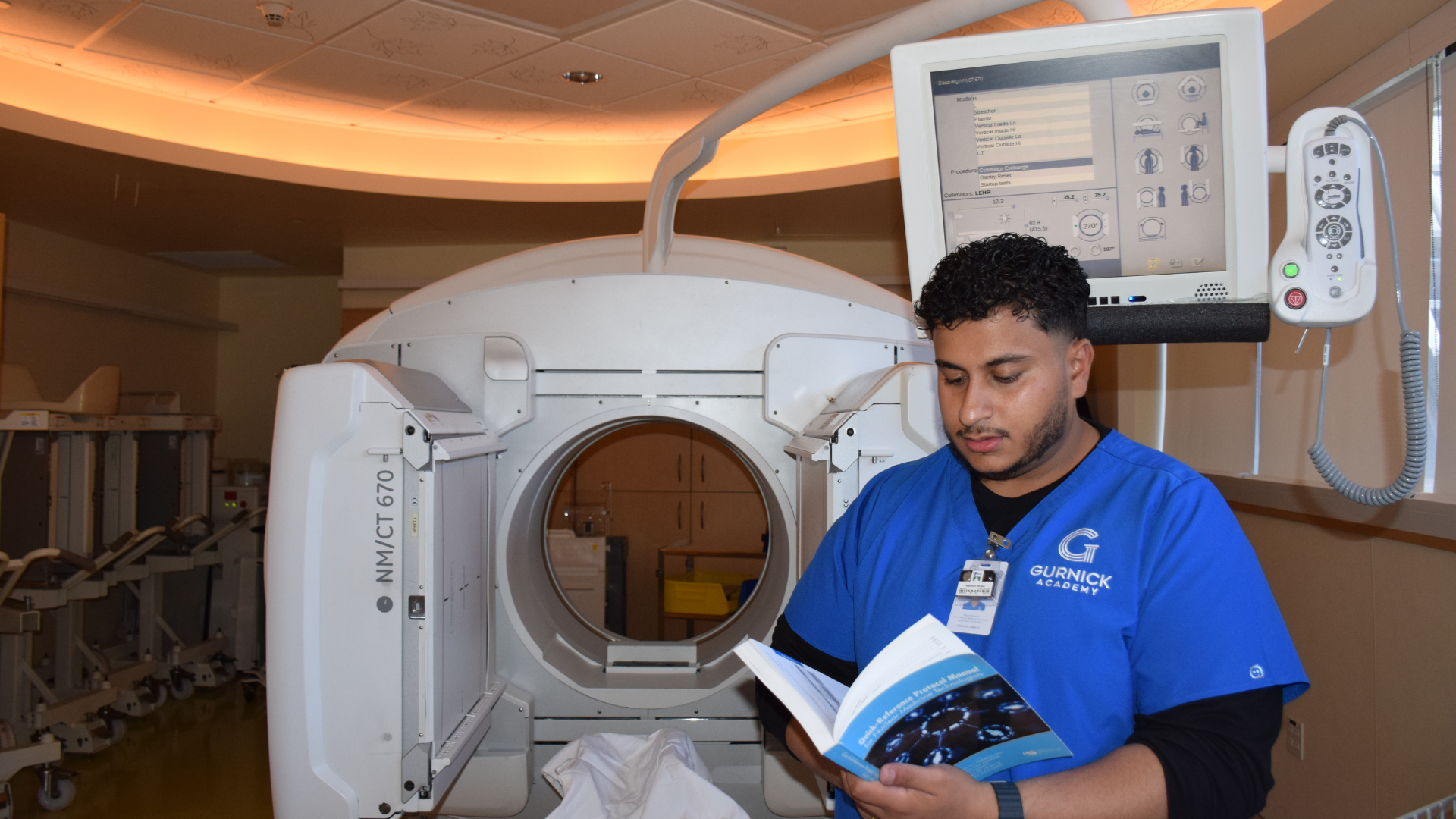
If you have a facility interested in hosting you for your clinical rotations, you may apply for clinical site approval by completing and submitting the new Clinical Affiliate Request form.
The job outlook for Nuclear Medicine Technologists in California is positive. According to the Bureau of Labor Statistics (BLS), employment of nuclear medicine technologists is projected to grow 5% from 2020 to 2030, which is faster than the average for all occupations. The demand for diagnostic imaging is expected to increase as the population ages and as technology advances.
As of 2021, the average annual salary for Nuclear Medicine Technologists in California is $106,810, which is higher than the national average. However, salaries can vary depending on location, employer, and experience. Some areas in California, such as San Francisco and Los Angeles, may offer higher salaries due to the higher cost of living.
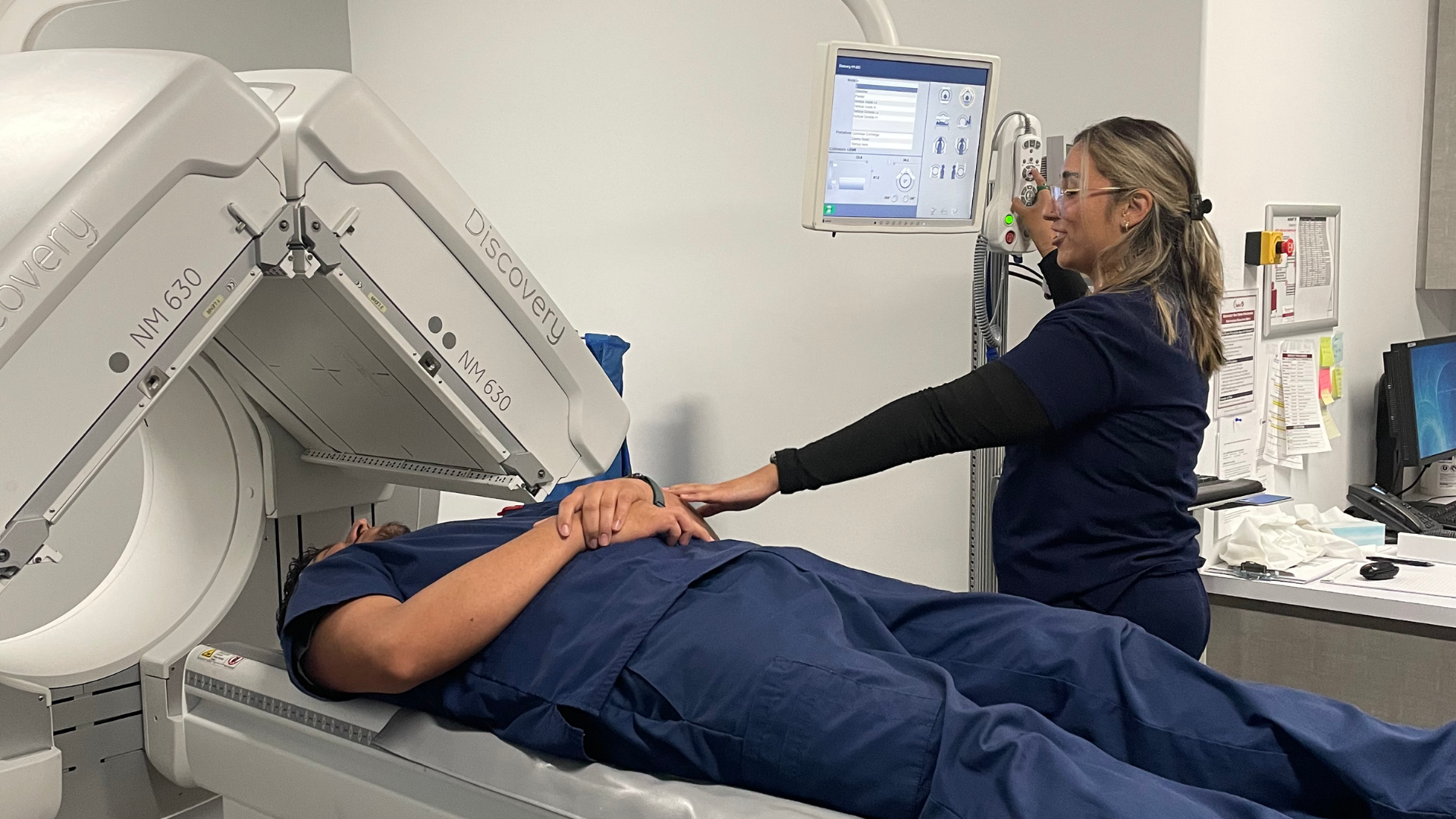
View the O*Net Online 29-2033.00 Nuclear Medicine Technologists job profile for general information about the profession. Find information about salary data for the following states and major cities near areas where clinical training for the program is conducted (Modesto area salary data is unavailable, per O*Net).
Local Wages for Nuclear Medicine Technologists in California
- Local Wages for Nuclear Medicine Technologists in Bakersfield, CA
- Local Wages for Nuclear Medicine Technologists in Chico, CA
- Local Wages for Nuclear Medicine Technologists in Fresno, CA
- Local Wages for Nuclear Medicine Technologists in Los Angeles-Long Beach-Anaheim, CA
- Local Wages for Nuclear Medicine Technologists in Oxnard-Thousand Oaks-Ventura, CA
- Local Wages for Nuclear Medicine Technologists in Riverside-San Bernardino-Ontario, CA
- Local Wages for Nuclear Medicine Technologists in Sacramento–Roseville–Arden-Arcade, CA
- Local Wages for Nuclear Medicine Technologists in Salinas (Monterey), CA
- Local Wages for Nuclear Medicine Technologists in San Francisco-Oakland-Hayward, CA
- Local Wages for Nuclear Medicine Technologists in San Jose-Sunnyvale-Santa Clara, CA
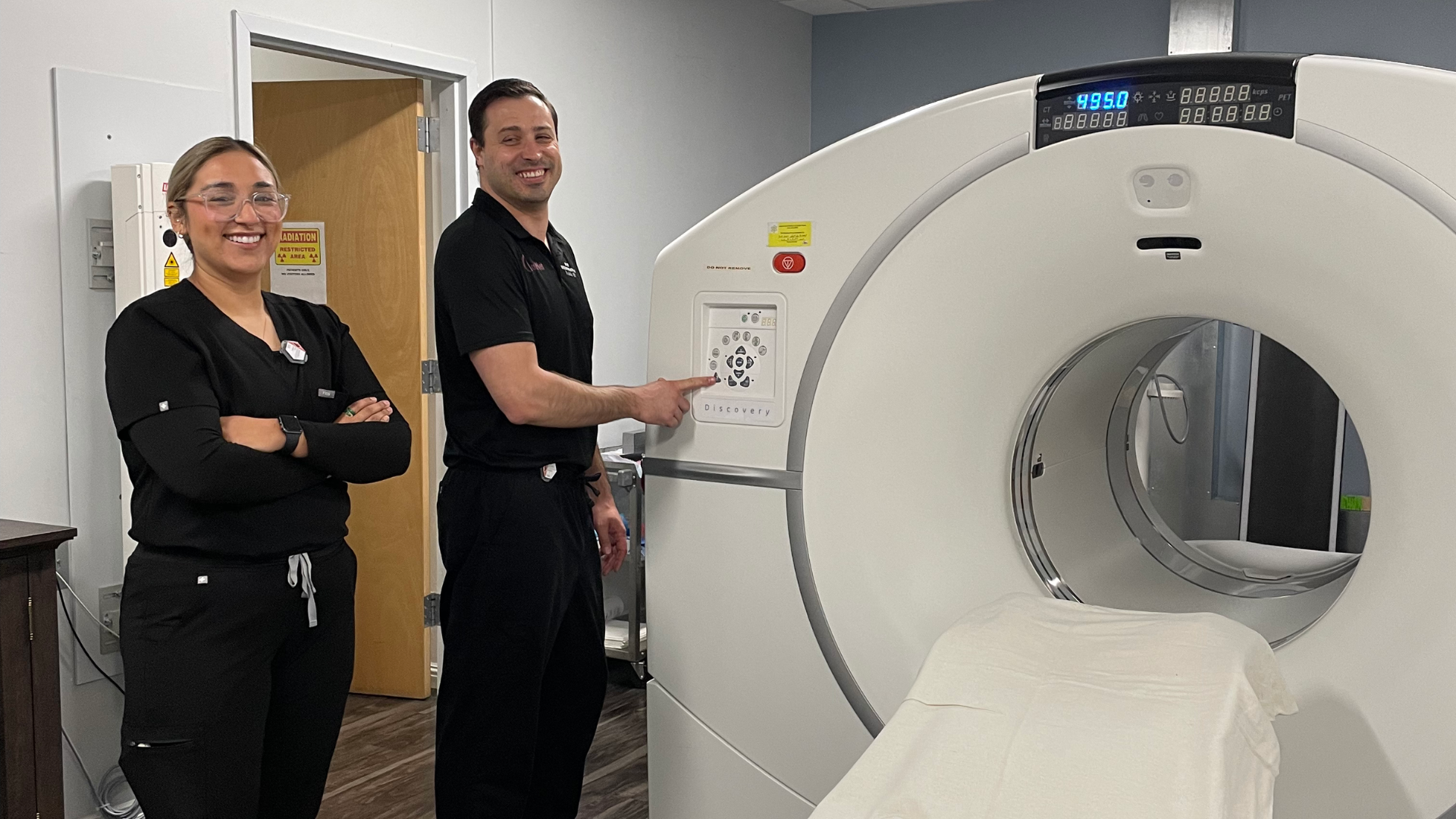
Local Wages for Nuclear Medicine Technologists in Florida
Gurnick Academy of Medical Arts holds national institutional accreditation by the Accrediting Bureau of Health Education Schools (ABHES). ABHES accreditation does not include continuing education courses.
ABHES Mailing Address:
6116 Executive Blvd., Suite 730
North Bethesda, MD 20852
ABHES Phone: 301-291-7550
ABHES Email: Info
ABHES Website: abhes.org/
Gurnick Academy of Medical Arts is a private institution approved to operate by the California Bureau for Private Postsecondary Education. Approval to operate means the institution is compliant with the minimum standards in the California Private Postsecondary Education Act (CPPEA) of 2009 (as amended) and Division 7.5 of Title 5 of the California Code of Regulations. CPPEA governs the Bureau for Private Postsecondary Education.
The Office of Student Assistance and Relief is available to support prospective students, current students, or past students of private postsecondary educational institutions in making informed decisions, understanding their rights, and navigating available services and relief options. The office may be reached by calling (888) 370- 7589, option #5, or by visiting osar.bppe.ca.gov.
BPPE Mailing Address:
1747 N. Market Blvd., Suite 225
Sacramento, CA 95834
BPPE Phone: 888-370-7589
BPPE Email: General
BPPE Website: bppe.ca.gov/
The Associate of Science in Nuclear Medicine Technology Program is programmatically accredited by the Joint Review Committee on Education in Nuclear Medicine Technology (JRCNMT).
JRCNMT Mailing Address:
820 W Danforth Road, Suite B1
Edmond, Oklahoma, 73003
JRCNMT Phone: (405) 285-0546
JRCNMT Email: General
JRCNMT Website: www.jrcnmt.org
For more information about the Licensure, Certification, and Registry Disclaimer, please refer to the school catalog.
In California, practicing nuclear medicine technologists must have an active Certified Technologist, Nuclear Medicine (CTNM) certificate. The State of California Department of Public Health, Radiologic Health Branch, offers the certificate. Once certified, the nuclear medicine technologist can legally practice within California.
Graduates of our Nuclear Medicine Technology program are eligible to sit for both the Nuclear Medicine Technology Certification Board (NMTCB) Certified Nuclear Medicine Technologist (CNMT) board exam and the American Registry of Radiologic Technologists® (ARRT®) Nuclear Medicine Technology (N) board exam. Both the ARRT® and NMTCB require applicants to disclose any history of criminal or misdemeanor proceedings. Students may choose to contact the ARRT® and/or NMTCB to conduct a pre-application review to determine if they will be eligible to sit for the exam(s) upon graduation.
California Department of Public Health, Radiologic Health Branch, can be contacted at MS 7610, P.O. Box 997414, Certification Unit, Sacramento, CA 95899-7414. Phone: (916) 327-5106, Fax: (916) 440-7999, Web: https://www.cdph.ca.gov/
Eligibility for Registry Certification in Nuclear Medicine
Candidates for registry certification in nuclear medicine must meet basic requirements in the three components of the equation:
State Authorization
Gurnick Academy of Medical Arts provides information on whether its programs meet educational requirements for professional licensure or certification in each state. Students are encouraged to review the Curriculum and Licensure Requirements by State available on the Academy’s website here to determine if a specific program fulfills the requirements in their intended state of residence or employment.
ARRT® and American Registry of Radiologic Technologists® are registered trademarks owned by The American Registry of Radiologic Technologists. Gurnick Academy is not licensed by, endorsed by, or affiliated with the American Registry of Radiologic Technologists.

Gurnick Academy of Medical Arts aims to help every student obtain Financial Aid* to attend their chosen program. Gurnick Academy of Medical Arts participates in various federal and state student financial assistance programs.
The financial aid programs are designed to assist students with inadequate financial resources to meet their education’s total cost. Each campus has a Financial Aid Advisor who can help students with any financial aid questions.
For more information, please visit our Financial Aid page.
*for those who qualify
If you are a person who is deaf, hard of hearing, or speech-disabled, please Dial 711 to place a call through California Relay.